Turning Adversity into Purpose
“Your story can become someone else’s survival guide. Even in the hardest moments, being vulnerable and sharing what you’ve been through can help another person feel less alone.” — Julian Bell
Q&A with Julian Bell: Resilience, Identity, and Finding Strength Beyond Sports
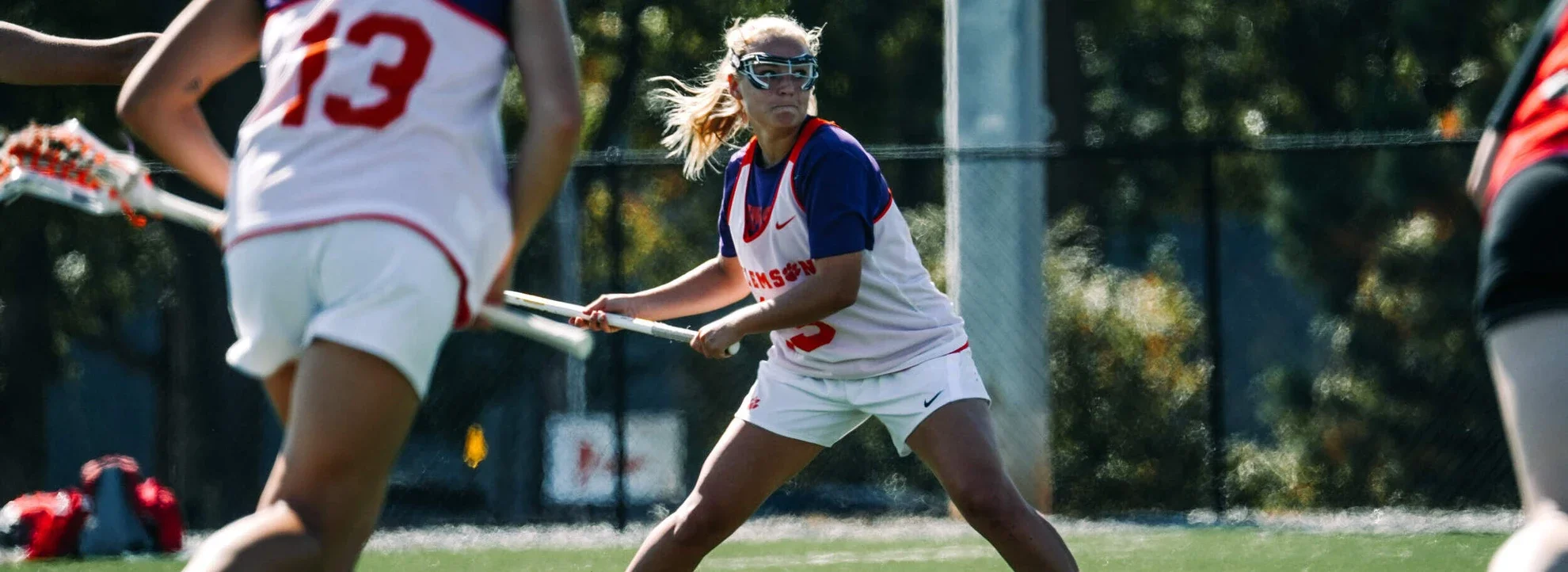
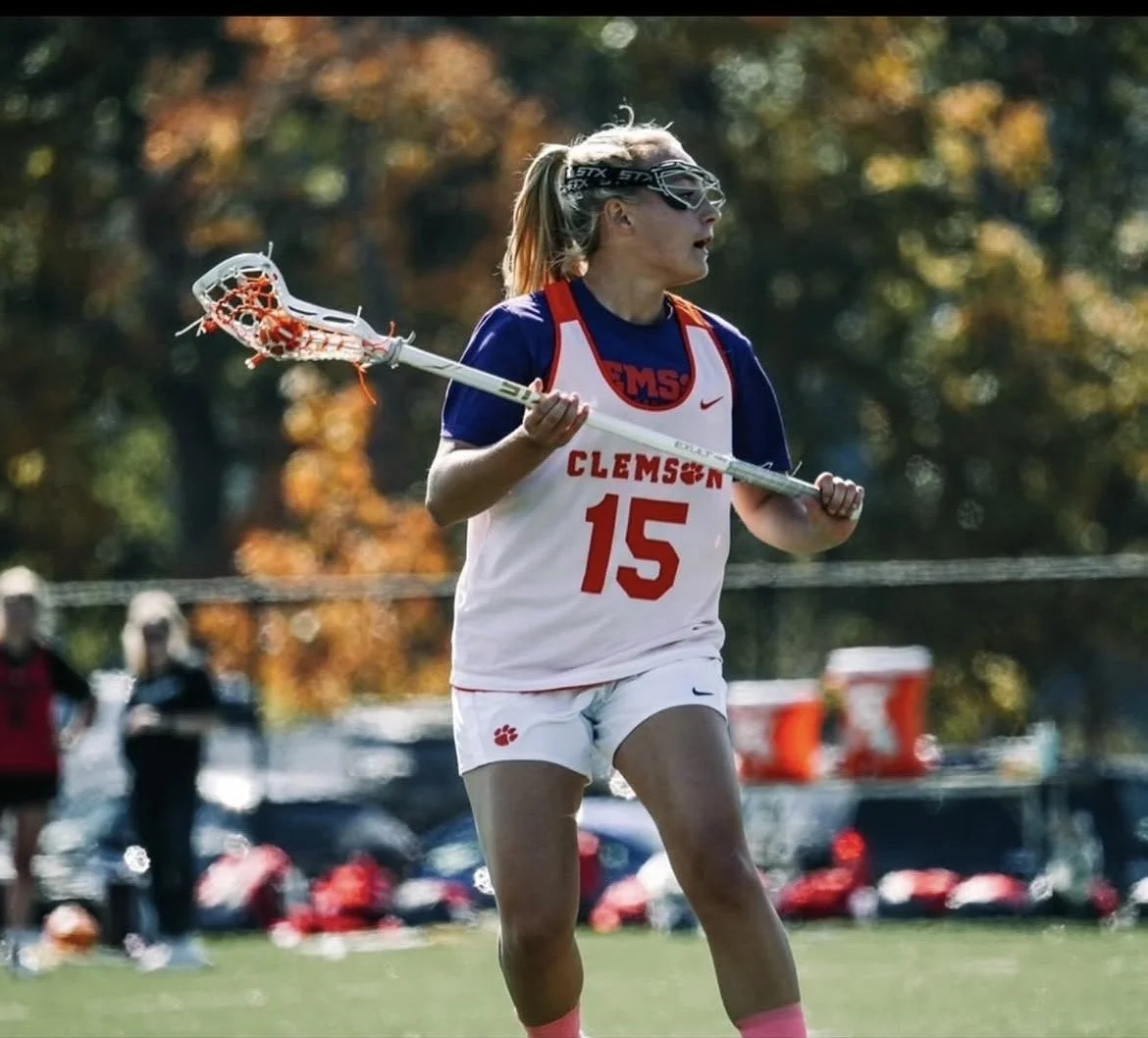
In our recent conversation, Julian Bell, former women’s lacrosse player at Clemson University, shared her inspiring journey through athletics, injuries, and personal growth. From growing up in New Hampshire playing nearly every sport imaginable to competing at the Division I level, Julian’s story is one of determination and resilience. She spoke openly about navigating the pressure of sports, balancing academics, and overcoming the emotional toll of career-ending injuries. Most importantly, she emphasized the value of vulnerability, leaning on others, and finding purpose through life’s setbacks. Join us as we dive into Julian’s story and the lessons she hopes others can carry with them.
Q: Can you tell us a little about your background, Julian? Where did you grow up and what sports did you play?
Julian: I’m from New Hampshire, and growing up I played just about every sport possible. I loved being active and spending time outside. My older sister played lacrosse, and watching her got me interested in the sport too. I started playing in first grade and never really stopped. By middle school, I knew I wanted to play in college.
Q: Did growing up with an older sister who played lacrosse ever create pressure or competition for you?
Julian: Honestly, no. We were always really close and worked well together. We played different positions and had different strengths, so it never felt like competition. When we played together in high school, we had great chemistry and just wanted to succeed alongside each other. I’m really grateful for that relationship.
Q: What was the transition like from high school athletics to playing at Clemson?
Julian: It was definitely an adjustment because everything was faster, more physical, and more competitive. But my freshman class was the inaugural class, and most of the older players were transfers, so everyone was new in some way. That made it easier because we were all learning together and building the culture of the program from the ground up.
Q: How did you balance academics, athletics, and stress in college?
Julian: Clemson had incredible resources. We had tutors, study hall, and access to sports psychologists. Having that structure really helped me stay on top of academics while also managing athletics. College can be exciting and distracting, so having support systems in place made a huge difference.
Q: You’ve dealt with serious injuries throughout your journey. How did that shape you?
Julian: Injuries were one of the hardest parts of my life. I dealt with chronic shin issues for years and eventually had surgery, but things didn’t go the way I hoped. I had to medically retire, which felt like losing a huge part of my identity. It was a grief process. Over time, therapy, reflection, and support from others helped me realize my story still had value, even if it looked different than I expected.
Q: What advice would you give athletes who are struggling with injuries right now?
Julian: Don’t isolate yourself. Let people in. Even a five-minute conversation with a teammate, coach, or friend can make a difference. It’s easy to bottle everything up, but connection is what helps you heal. You don’t have to go through hard moments alone.
Q: What advice would you give younger athletes dealing with pressure to succeed?
Julian: Be where your feet are. Focus on the moment you’re in instead of trying to carry every pressure at once. You can’t wear every hat at the same time. Work hard, but also listen to your body and enjoy being young. There’s no need to rush everything.
Q: If you could give one message to your younger self, what would it be?
Julian: Take it day by day. You can only control what’s in front of you right now. Everything will work out the way it’s supposed to, even if the path looks different than you imagined. Stay persistent, lean on others, and trust the process.